

Pennies sit at the heart of American numismatics. They are familiar, widely circulated, and deceptively complex. A small group, however, rises far above the rest. These are the most valuable pennies collectors dream about—coins defined by low mintages, unmistakable errors, and condition rarity. Their appeal is not accidental. Each reflects a specific moment when design, production, and circumstance aligned.
What separates a dream penny from a common date is evidence. Auction records, certified populations, and clear diagnostics back the prices. These coins teach fundamentals: how dies wear, how mint policies shift, and why provenance matters.
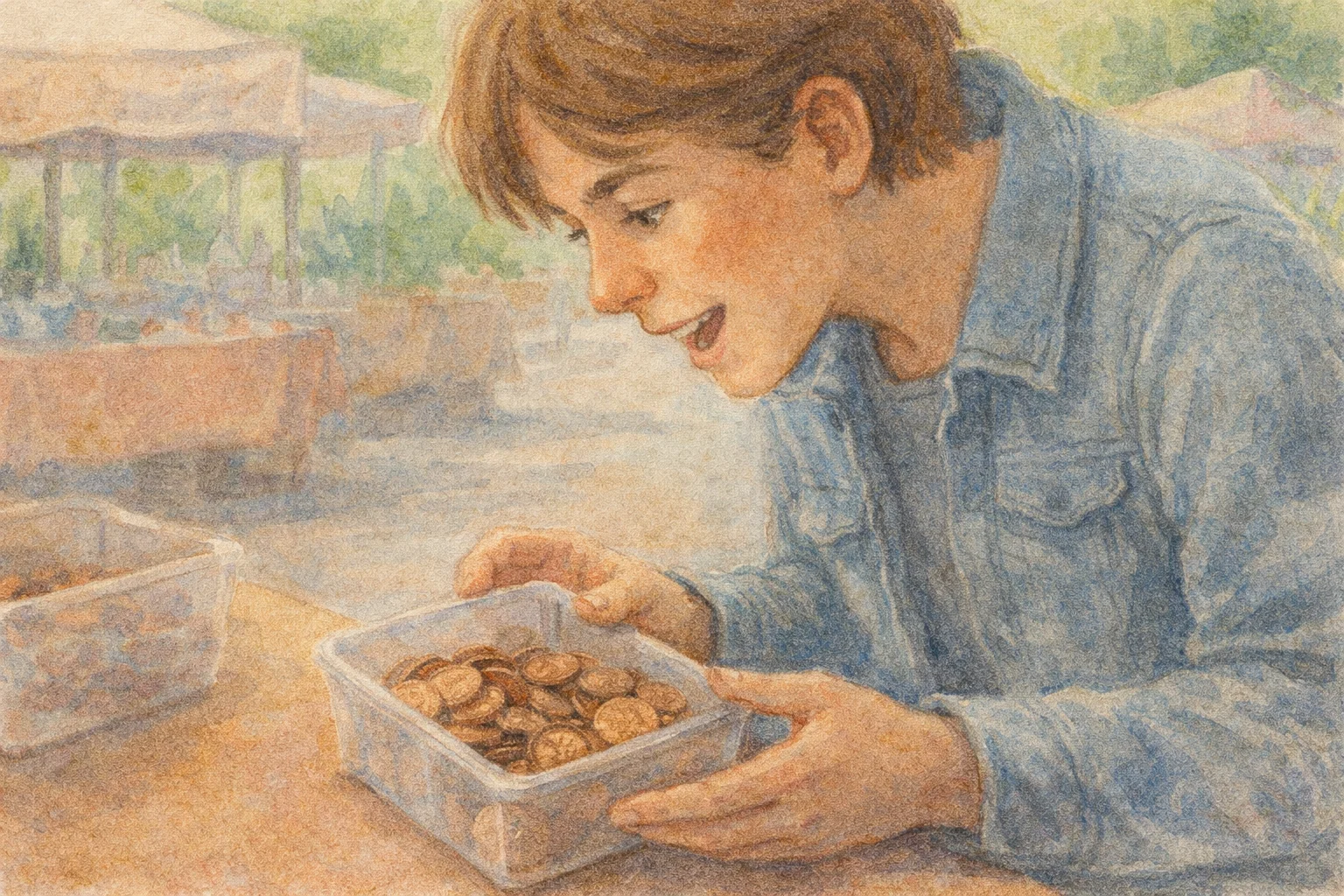
Why Lincoln Pennies Dominate Collector Aspirations
The Lincoln cent spans wheat ears to memorials, copper to zinc, peace to war. That long run created opportunities for standout issues in nearly every era.
Key drivers of desirability include:
- First-year or transition status
- Documented mintage limits
- Bold, naked-eye errors
- Survival in pristine Red condition
Collectors do not chase age alone. They chase moments where something went wrong—or changed forever.
The 1909-S VDB Lincoln Cent — A First-Year Icon
No penny carries more symbolic weight than the 1909-S VDB. Victor David Brenner’s initials appeared prominently on the reverse during the Lincoln cent’s debut. Public backlash led to their rapid removal, creating an instant rarity.
Essential facts:
- Mintage: 484,000
- Mint: San Francisco
- Design: Wheat reverse with V.D.B. initials
Even well-worn examples command strong prices. A Very Fine piece often exceeds $1,000. At the top end, an MS-67 Red example realized $168,000, driven by sharp detail and original color. This coin defines first-year demand and teaches how design controversy can create lasting scarcity.
The 1914-D Lincoln Cent — Condition Is Everything
The 1914-D looks ordinary until the condition enters the discussion. With a mintage of 1.19 million, it circulated heavily. Survivors in high grades are scarce.
Why it matters:
- Weak strikes and heavy use limited gem preservation
- Red examples are exceptionally rare
- Feather and hair detail separates grades decisively
A top-certified MS-67+ Red example reached $373,750 at auction. In lower Mint State, prices drop sharply, reinforcing a core lesson: grade can matter more than mintage.
Dream Pennies at a Glance
| Penny | Why Collectors Care | Record Price |
| 1909-S VDB | First-year, initials removed | $168,000 |
| 1914-D | Denver scarcity in high grade | $373,750 |
These two coins anchor the dream list. When found via the coin value checker app, they are always marked as evoking the most interest. They set the stage for error legends—pennies where the Mint’s process failed in spectacular, visible ways.
Legendary Errors That Redefined the Penny Market
If key dates teach patience, error pennies teach recognition. The most desired Lincoln cents share a trait that separates them from minor varieties: the error is obvious without explanation. Thickened letters, doubled dates, or the wrong metal entirely turn routine strikes into numismatic milestones.
1955 Doubled Die Obverse — The Error Everyone Recognizes
The 1955 Doubled Die Obverse (DDO) stands as the most famous error in U.S. coinage. A misaligned hubbing created extreme doubling on LIBERTY, IN GOD WE TRUST, and the date. The result looks exaggerated, almost cartoonish.
Why it became legendary:
- Doubling is visible at arm’s length
- Hundreds entered circulation before detection
- Diagnostics are consistent and well documented
Even circulated examples often sell above $1,000. In top condition, prices escalate dramatically. A MS-65 Red specimen brought $1.3 million, reflecting demand across generations. This coin proved that an error could rival classic keys in value.
1943 Bronze Cent — A Wartime Accident with Few Survivors
During World War II, the Mint shifted cents to zinc-coated steel to conserve copper. A small number of leftover bronze planchets slipped into production, creating the 1943 bronze cent.
Defining characteristics:
- Copper color instead of steel gray
- Weight: about 3.11 grams (non-magnetic)
- Fewer than 20 confirmed across all mints
Authenticity is critical. Counterfeits exist. Certified examples command seven figures. One MS-64 Brown sold for $1.7 million, making it one of the most valuable pennies ever traded. This coin demonstrates how historical context can amplify rarity.
1969-S Doubled Die Obverse — A Modern Heavyweight
The 1969-S DDO surfaced decades after minting, surprising collectors who assumed all major errors had been found. The doubling is bold but more refined than the 1955, affecting the date and lettering.
Why collectors prize it:
- Scarcer than the 1955 DDO
- San Francisco mint adds intrigue
- Fewer circulation finds confirmed
Prices reflect scarcity. A MS-65 Red example realized $126,500. Even lower grades remain highly desirable, proving that modern-era errors can compete with early classics. And while such issues still appear in circulation, using a free coin value app to look through your space change is crucial.
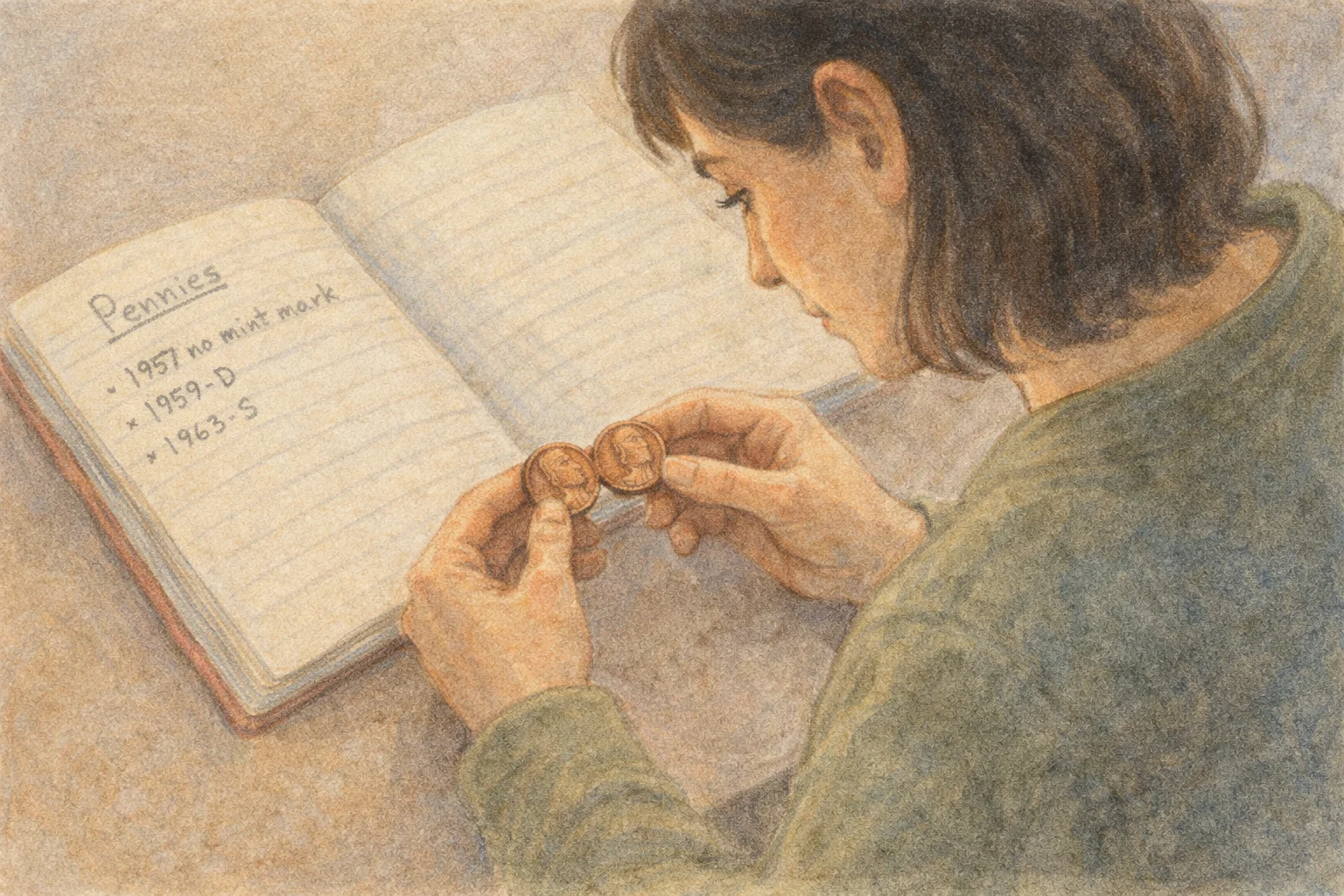
Dream Error Pennies Compared
| Penny | Error Type | Record Price |
| 1955 DDO | Extreme obverse doubling | $1.3M |
| 1943 Bronze | Wrong planchet | $1.7M |
| 1969-S DDO | Hub doubling | $126,500 |
These coins reshaped how collectors view errors. They are not curiosities to set aside; they are cornerstones.
How Collectors Chase Dream Pennies Without Chasing Myths
Dream pennies inspire big numbers, but successful collectors approach them with discipline. The market around top Lincoln cents is mature, well-documented, and unforgiving to guesswork. The difference between a genuine opportunity and an expensive mistake often comes down to method.
What Serious Collectors Actually Look For
Dream coins fall into two realistic paths: acquisition or discovery.
Acquisition focuses on:
- Certified examples from PCGS or NGC
- Proven auction records and population data
- Eye appeal that matches the assigned grade
Discovery relies on:
- Bulk searches of rolls, jars, and estates
- Knowledge of diagnostics rather than dates alone
- Patience and volume
Most collectors blend both approaches. They buy one confirmed key and hunt for the next.
Common Pitfalls That Drain Budgets
The penny market attracts misinformation. Avoiding it is part of the skill set.
Frequent mistakes include:
- Confusing machine doubling with true hub doubling
- Overpaying for cleaned or recolored “Red” cents
- Trusting raw claims of rare dates without weight checks
- Chasing ultra-rare errors without authentication
Coins like the 1943 bronze cent or 1955 DDO demand verification. Weight, magnetism, die markers, and certification separate reality from rumor.
Tools That Support Smart Screening
Collectors often photograph candidates to compare diagnostics and confirm specifications. Some use tools like the Coin ID Scanner app to quickly review year, mint, composition, diameter, weight, and typical market ranges when sorting large quantities. Digital catalogs help track finds, flag upgrades, and avoid duplicate purchases during long-term searches.
Technology does not replace expertise, but it reduces friction when volume increases.
Building a “Dream List” the Right Way
Not every collection needs a seven-figure coin to feel complete. Many collectors define success through progress.
A balanced dream-focused path might include:
- One key-date Lincoln in solid circulated grade
- One iconic error cent in certified condition
- Several strong secondary varieties for study
This structure keeps goals realistic while preserving ambition.
Outstanding pennies earn their status through evidence, not hype. They sit at the intersection of history, mistake, and survival. Most collectors will never own a 1943 bronze cent or a six-figure doubled die—and that is not a failure.
The dream lies in understanding why those coins matter, recognizing the signs when opportunity appears, and building a collection that reflects knowledge rather than speculation.