

If you set out to collect a collection of unusual and rare coins from all over the world, then an important step is to acquire these coins directly: there are too many nuances that you need to know about, and you can’t do without the coin scanner app.
The other side of the question is how to competently sell coins, knowing the actual value of a particular coin, and how to make it as profitable as possible.
Authenticity
Authenticity means the coin was officially made by a government mint. A fake coin, being a copy, has no true value. Checking if a coin is real is the first and most important step.
Tools for Checking: You must use accurate electronic scales, a sliding measuring tool, and a magnifier giving 10x zoom.
Checking Steps:
- Every coin has a precise, official weight. You measure the coin’s mass on your scales, comparing the result with the official number. A big difference, being more than 0.1 gram, should make you suspicious, knowing fake makers often fail to use metal with the correct density.
- Measure the coin’s width and thickness using the caliper. Uneven sides or differences from the standard width, being more than 0.1 millimeter, suggest the coin was cast and not struck.
When looking closely with the magnifier, you look for signs of casting. Real coins show sharp and clear lines, letters, and pictures, made by heavy pressing.
Fake coins, often made by pouring hot metal, show details looking “soft” or “smooth.” The flat area of a cast fake, called the field, may show tiny air bubbles or holes, appearing when the metal cooled.
- The coin’s side, called the edge, must be straight and regular. Finding a seam or having uneven, broken lines on the edge confirms the coin is a fake, possibly put together from two parts glued together.
Condition
- Perfect Condition (UNC, Uncirculated): The coin has never been used as money, avoiding wear or rubbing marks. The factory shine remains, showing the highest level of preservation.
- Almost Perfect (AU, About Uncirculated): The coin was hardly ever used. It might show minimal contact marks, keeping the shine and the main details of the raised image.
- Very Good (VF, Very Fine): The coin was used as money for some time. Clear signs of wear appear, but all large details are readable, letting you see all the words.
- Good (F, Fine): The coin was used for a long time. The raised surface is very flat on the highest parts. Some small details are now missing.
- Low Grade (G, Good): The coin is very worn out. You can only see the general shapes and main words, with most of the detail rubbed away.
Any damage received outside of normal use reduces the price. This includes deep scratches, marks from strong cleaning, signs of soldering, or heavy dents, affecting the coin permanently.
Setting the Market Price
The coin’s price is based on real sales, not on the seller’s hope.
The most correct way is finding prices where coins of the exact type and condition were actually sold at past auctions. This price, showing the real demand, becomes the true market coin value.
Price lists only give a general idea of the price. They might be too high, failing to show the current market demand.
The Coin Buying Process
Buying a coin must be a careful, planned process, aiming to avoid buying a fake or paying too much.
The buyer chooses the place based on their experience and the need for security.
- Specialized Shops and Dealers are the safest way, offering a lower risk. Dealers check authenticity and give a legal promise to return money if a fake is found, selling at a higher price because of the included security.
- Numismatic Auctions offer many choices. They allow buying at the market price, assuming there is not much competition. The buyer must check authenticity before placing a bid, reading the rules of the auction house carefully.
- Online Marketplaces are the highest-risk way. Buying is done from private people. There is no official check for realness or condition. You must look closely at the seller’s rating and feedback from other buyers.
- Clubs and Fairs give the chance to see the coin in person. This allows for checking the coin before buying, lowering the total risk.
Rules for Buying Remotely
Ask the seller for clear, high-quality photos. These must include a high-resolution picture of the front side, a high-resolution picture of the back side, and a picture of the edge. You should also request a photo taken at an angle, showing the factory shine.
The seller must also show photos clearly detailing any defects they mentioned.
Always check the seller’s history. Look for feedback, how long they have been selling, and how many successful deals they have completed. A seller lacking history or having many negative comments is a clear reason to stop the deal.
- You must demand the seller give written or clearly stated agreement for returns. The buyer must be able to send the coin back if an independent expert says it is fake, or if its condition is worse than promised. The return time must be at least 14 days.
Safe Dealing and Receiving the Coin
Use payment methods offering buyer protection. These might be bank systems holding the money until you confirm receiving the coin, or payment systems with a dispute resolution service. Sending money without any chance of return (a direct transfer to a card) increases the risk greatly.
Insist the coin is sent with full tracking and insurance for the total price you paid. Coins are valuable items, needing the insurance to cover any loss during postal transport.
When receiving the package, check the packaging is whole before signing for it. If the package looks damaged, write this down officially upon receiving it. Right after opening, check if the coin matches the pictures and the description you read.
The Coin Selling Process
Selling requires honesty, correct pricing, and correctly presenting the coin.
You must not clean old coins. Cleaning, especially by hard rubbing or chemicals, destroys the natural surface layer, called the patina.
Patina, being a natural sign of time, is a key part of the price. A cleaned coin loses a large part of its collecting price.
Take professional photos, showing the coin’s real condition completely. Use soft, non-direct light to avoid bright reflections.
Take pictures of the front, the back, and the edge. Take close-up photos showing any defects or unique parts.
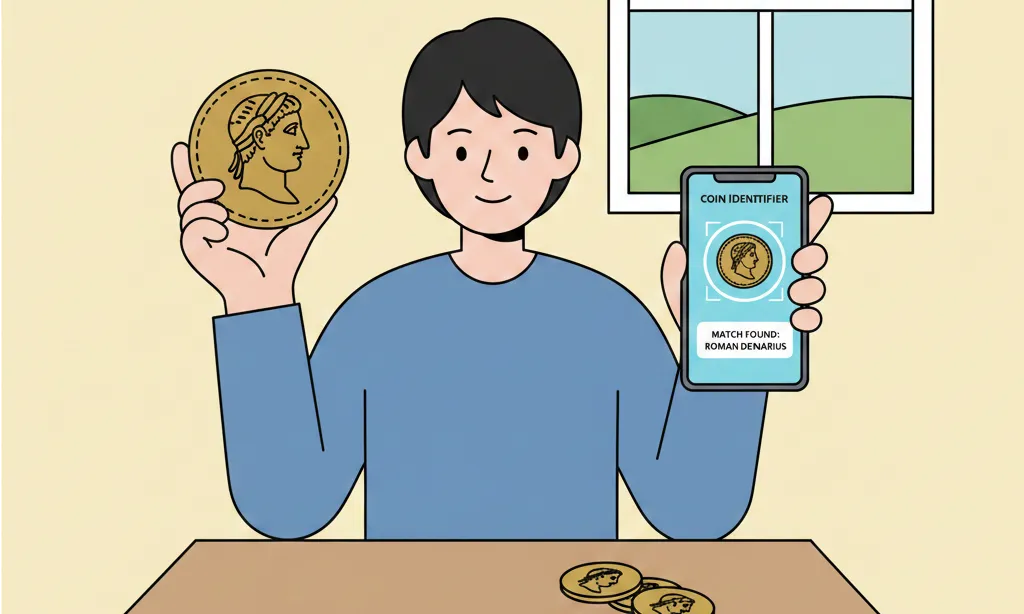
Write a full and honest description. Give all the details: year, face value, country, metal, but if you don’t know all of them — check it via the best coin identifier app in 30 seconds.
Give a precise condition rating, always being ready to explain your rating.
List all defects: Scratches, dents, signs of damage, spots. An honest description increases the buyer’s trust.
Choosing a Place to Sell
- Auction Houses: The best choice for selling expensive and rare coins. The auction house handles advertising, checking for realness, and making sure the deal is secure. The seller pays a part of the final sale amount as a fee.
- Selling to a Dealer or Buyer: The quickest way to sell. The dealer buys the coin fast, but offers a lower than market price, needing to make a profit when selling again. The dealer’s price is usually 60–80% of the real market value.
- Online Marketplaces and Forums: Selling to private people. You set the price yourself and handle discussions. You must have a good reputation, being ready to spend time talking and solving problems. Set a price based on past finished auction sales.
Shipping and Security When Selling
Set a price matching the market. Be ready for discussion if selling on a forum or a website with a fixed price. If selling through an auction, the lowest price you accept must be reasonable.
The coin must be sent only after you receive the full payment. Use secure payment systems. Make sure the money has arrived in your account or is being held by the system before you send the coin.
The coin must be packaged in hard, protective material preventing movement and damage during shipping.
Always send the package with tracking and insurance for the sale amount. Never write on the package that a coin or other valuable is inside. Use a neutral name like “collectible item” or “souvenir.”
Storage
Coins must be kept in special materials.
- Use albums specifically made for coin collecting
- Use plastic capsules not having PVC. PVC, changing over time, releases substances damaging the metal of the coin
- Keep coins in a dry place, staying away from sudden changes in heat and moisture
Legal and Customs Issues
When selling large amounts of gold or silver coins, local laws about controlling precious metals might apply. You must know and follow the limits set for private people.
Very old coins might be officially called cultural property. Taking such coins out of the country might need special permission or expert check.
Breaking these rules causes legal problems.
Always check local and world laws when planning to send coins abroad.
Avoiding Risks
If a coin’s price is much lower than the market price, this almost always points to a problem: being a fake, having a hidden defect, or having a dishonest seller.
In coin collecting, there are no deals giving huge, unexplained profit.
If you have any doubts about the coin’s realness, its condition, or the seller’s honesty, you should not complete the deal.